Americans are facing another potential increase in gasoline prices as escalating tensions in the Middle East push global oil prices to their highest levels in months, adding pressure to household budgets and financial markets.
On Friday, October 23, international benchmark Brent crude climbed to approximately $114.92 per barrel, while U.S. benchmark crude rose to around $101.22. The increase follows renewed concerns about shipping security in the Strait of Hormuz and the possibility of further disruptions to global energy supplies.
The developments are especially important for Americans because crude oil prices influence the cost of gasoline, diesel, aviation fuel and many products that require transportation.
According to the Associated Press, the national average gasoline price has reached approximately $4.29 per gallon, compared with $3.07 a year earlier. That difference represents a substantial additional expense for households that rely on cars for work, school and daily activities.
For a driver purchasing 15 gallons of gasoline, the difference between those two prices is approximately $18.30 per fill-up. Over several weeks, repeated fuel purchases can noticeably affect a household’s disposable income.
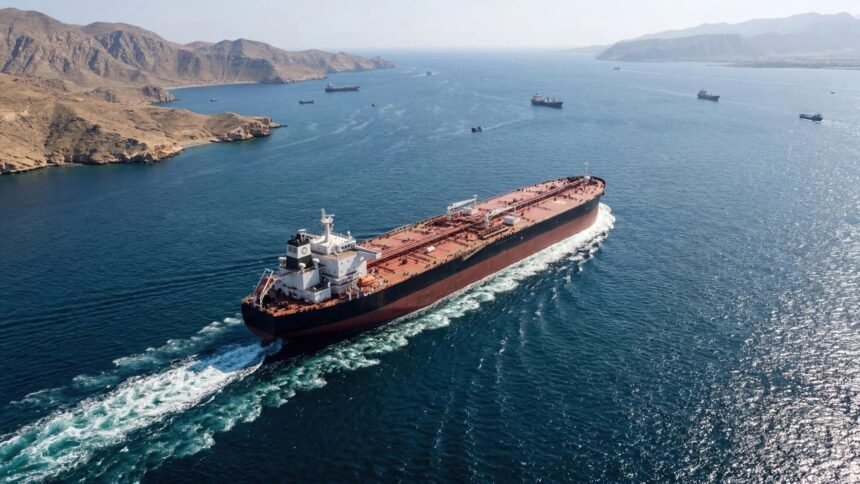
The latest uncertainty centers on the Strait of Hormuz, a narrow maritime passage connecting the Persian Gulf with international shipping routes. The region is strategically important because large quantities of oil normally move through it.
Recent incidents involving commercial vessels, threats from Iranian forces and attacks affecting Saudi Arabia have increased fears that shipping disruptions could intensify.
The United States and Iran remain at odds over the conflict, while diplomatic efforts to resume negotiations have faced difficulties. Investors are watching for signs of either renewed talks or additional military escalation.
Energy markets often respond to expectations about future supply rather than waiting for a measurable shortage. If traders believe that shipping routes could become unsafe, oil prices may rise as buyers compete to secure supplies.
Higher energy prices could also complicate the Federal Reserve’s efforts to contain inflation.
Gasoline is a highly visible expense for consumers, but the effects of expensive oil can extend much further. Trucking companies pay more for diesel, airlines face higher fuel bills, and manufacturers may encounter increased costs for materials and distribution.
Businesses must then decide whether to absorb those increases or pass them along to customers.
That creates an economic challenge because inflation can remain elevated even when consumer demand weakens.
Financial markets are already reacting. Early Friday trading indicators showed U.S. stock futures declining, with investors weighing geopolitical tensions alongside concerns about technology-sector spending.
The broader economic consequences will depend partly on how long oil prices remain elevated.
A brief price spike might create temporary pressure at the pump. A sustained disruption, however, could affect inflation expectations, business investment and consumer confidence over several months.
American oil producers could benefit from higher crude prices through increased revenue, but consumers and industries that purchase significant quantities of fuel may experience the opposite effect.
The situation also has political consequences. With the November 3 midterm elections approaching, affordability has become an important issue in congressional campaigns.
Republicans and Democrats are presenting competing explanations for the rising cost of living, while voters are evaluating how national policies affect their personal finances.
For now, three developments deserve close attention: security in the Strait of Hormuz, progress toward U.S.-Iran negotiations and the direction of American gasoline prices.
A sustained easing of geopolitical tensions could reduce pressure on oil prices. Further attacks or shipping disruptions could produce another increase.
For American households, the immediate concern is straightforward: expensive energy makes transportation costlier and can push up the prices of everyday goods.